
200 Cigarette Butts in 45 Minutes: What a Beach Cleanup Taught Us
We spent part of a workday picking up trash with Clean Oceans International. The plastic was bad. The cigarette butts were worse.
Disclosure: This article includes affiliate links. If you buy through them, we may earn a small commission at no extra cost to you. The article comes first, always.
This week, instead of spending an afternoon in meetings, a group of us from work pulled on gloves, grabbed trash bags, and walked a stretch of beach with Clean Oceans International.
I expected a few bottles and maybe a lost flip-flop. Not quite.
The Plastic Was Everywhere
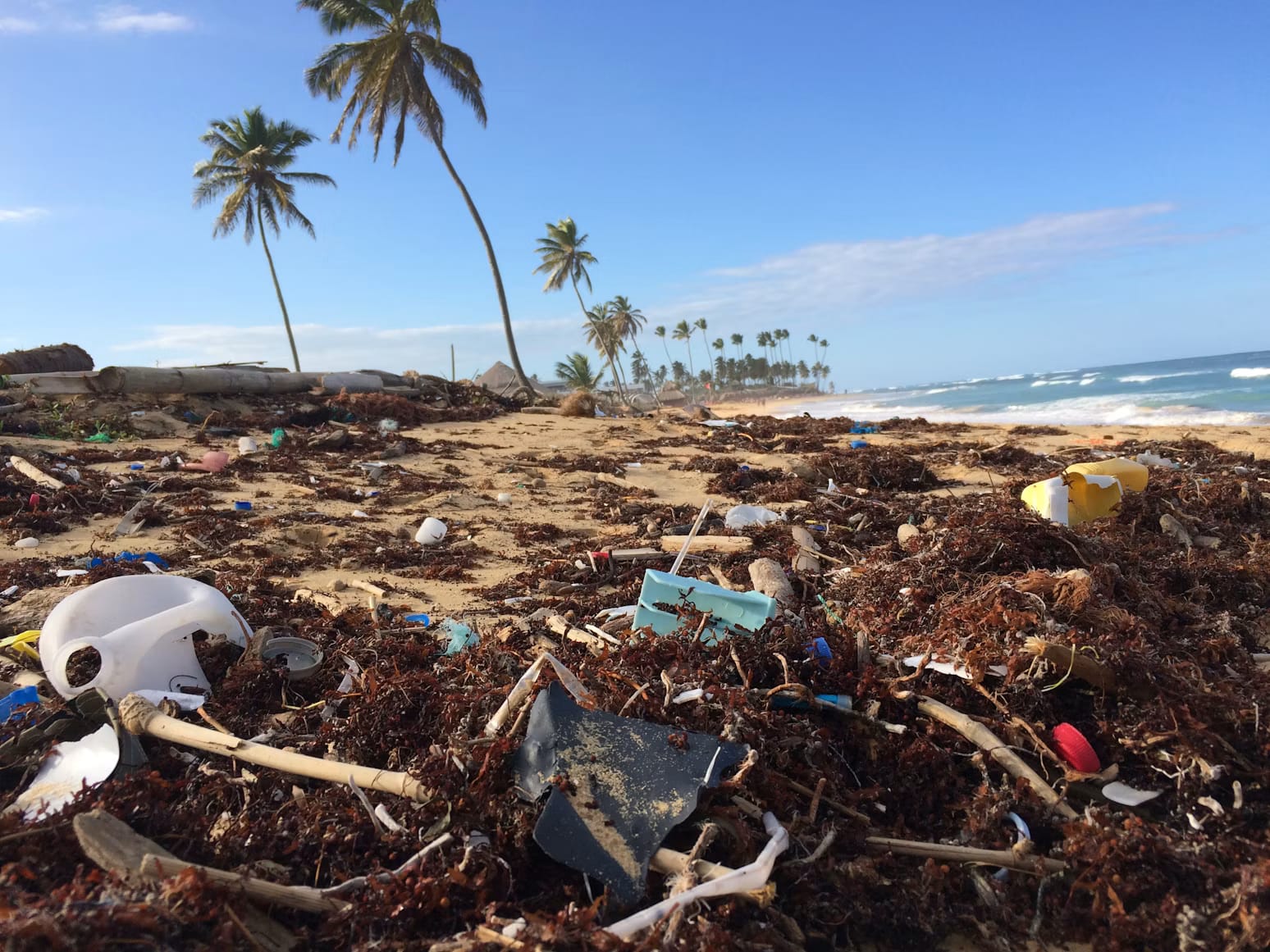
Within minutes, our bags were filling up with small stuff. Broken bits of hard plastic, some no bigger than a fingernail. Bottle caps. And food wrappers — so many food wrappers. Chip bags, candy wrappers, torn corners of snack packs.
Honestly, it was a little scary. From a distance, the beach looked fine. Up close, the sand was full of it. Plastic doesn’t go away; it just gets smaller.
It turns out we weren’t unlucky. Food wrappers are now among the most common items collected at beach cleanups worldwide, according to Ocean Conservancy’s International Coastal Cleanup data.
Then We Started Counting Cigarette Butts
The thing that really stopped me was the cigarette butts. In 45 minutes, our group picked up more than 200 of them. Once you start looking, you can’t stop seeing them.
Here’s what I didn’t know: cigarette filters aren’t cotton or paper. They’re made of cellulose acetate, a type of plastic. The World Health Organization estimates that 4.5 trillion cigarette butts are littered every year, which makes them the most abundant form of plastic waste in the world.
And they don’t just sit there. Ocean Conservancy explains that sun, rain, and wind break filters down into microplastics, releasing nicotine, heavy metals, and other chemicals into the sand and water.
So each of those 200 butts was a tiny packet of plastic and chemicals headed for the ocean.
There’s a Simple Fix
I get why people don’t drop a cigarette butt straight into a trash can. It might still be burning, and nobody wants to start a fire in a bin. At the beach, there often isn’t a trash can nearby anyway.
But there are solutions. I found out Amazon sells pocket ashtrays — small, sealable cases that put out the cigarette and hold a few butts until you get somewhere you can throw them away. They’re inexpensive and fit in a pocket or purse.
If you smoke, or someone in your life does, it’s a small swap. No judgment here — just a real, easy option.
You Don’t Need Much to Help
The barrier to doing this is basically zero. All you need is a pair of gloves and some trash bags. That’s it.
Clean Oceans International runs community cleanups, and groups can even adopt a beach. If your employer offers volunteer time, this is a great way to use it. If you have kids, bring them — they’re great at spotting the tiny stuff.
One thing I loved: Clean Oceans International has an interactive map of its survey locations through its Environmental Plastic Assessment Program. It’s very cool to see where people are out collecting and counting.
Small Things We Can Do at Home
A cleanup treats the symptom. Clean Oceans International’s Everyday Actions page has ideas for the cause. The ones we’re trying first:
- Track your plastic for one week. Just notice the single-use stuff. (We already know our answer: snack wrappers.)
- Keep reusables within reach. Utensils, a straw, a container — if it’s in the bag or the car, you’ll actually use it.
- Skip unnecessary packaging. Buy in bulk or pick the option with less wrapping.
- Watch the microfibers. Natural fibers and gentler wash cycles shed less plastic into the water.
- Bring others along. Nudge your workplace or school to cut single-use plastics — or to plan a cleanup day.
What We’re Taking With Us
We didn’t clean the ocean in 45 minutes. We cleaned a small stretch of sand, and the tide will bring more. But I’ll never walk past a cigarette butt on the sidewalk the same way again. And I’ve started noticing how many snack wrappers we go through at home, too.
If you get the chance, go. Bring gloves, a bag, and an hour. You’ll see your beach differently.
Sources
- Clean Oceans International
- Everyday Actions — Clean Oceans International
- EPAP Survey Locations — Clean Oceans International
- 4.5 Trillion Cigarette Butts Are Equal to 1.69 Billion Pounds of Toxic Trash — WHO FCTC
- Cigarette Butts Are a Plague on Our Beaches — Ocean Conservancy
- Food Wrappers Just Passed Cigarette Butts as the Most Common Beach Trash — Fast Company