
How to Use Your Garbage Disposal the Eco-Friendly Way
A practical guide to using your kitchen garbage disposal responsibly, what's safe to grind, and how it stacks up against composting and the trash.
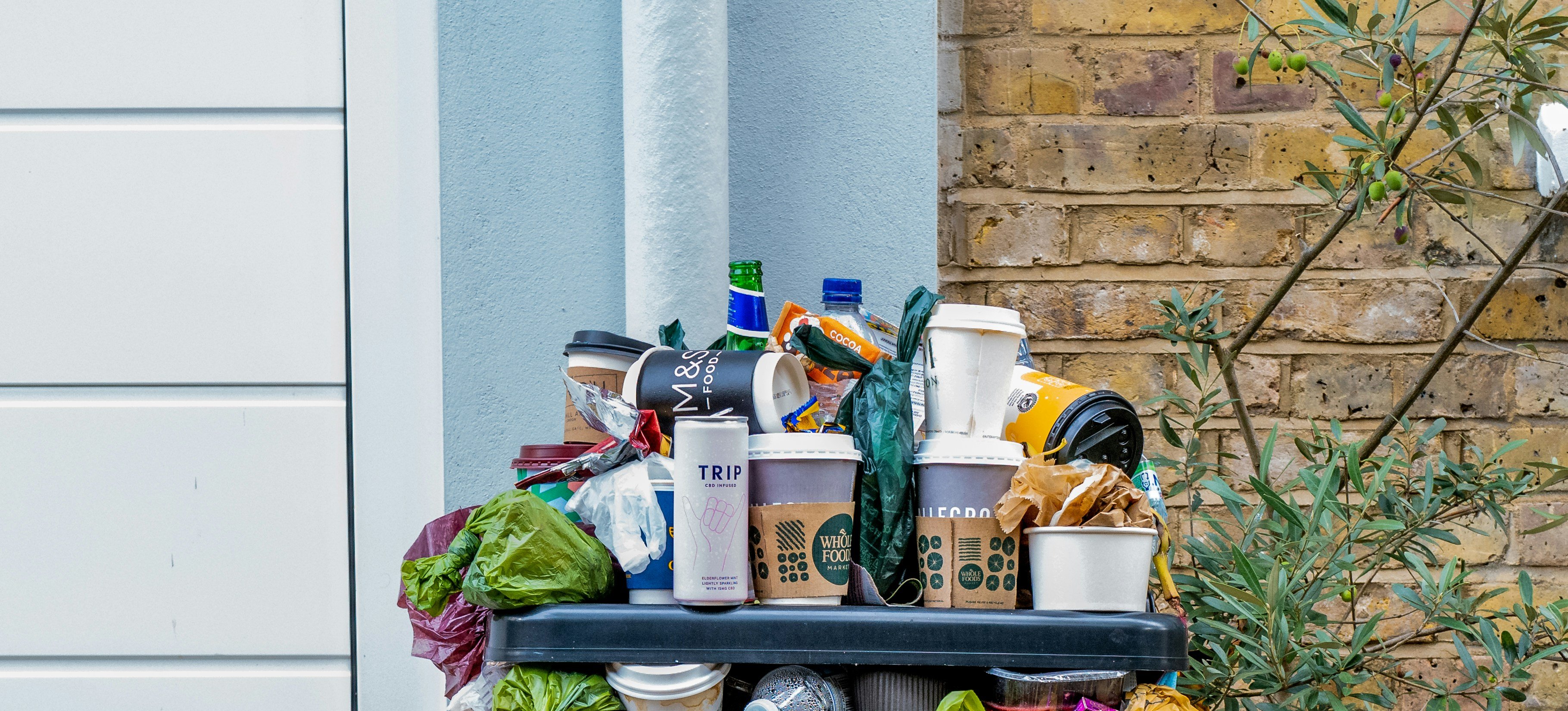
I was at my sister-in-law’s place last week, standing at the sink after breakfast, watching her scrape banana peels and a couple of eggshells straight into the disposal. I didn’t think much of it in the moment. It was only later that it occurred to me I couldn’t actually say whether that was the better move. My instinct was that grinding it all up and sending it into the water system isn’t free — something downstream has to filter that out before the water is clean again, and that probably involves real chemicals. But bagging the same scraps for the landfill felt worse in a different way. So which one actually is better?
I didn’t have an answer standing there, so I looked into it properly once I had a minute. Here’s what I found.
The Big Picture: Where Food Waste Should Really Go
Before getting into technique, it helps to know where the disposal actually ranks among your food-waste options:
- Greenest: reduce food waste in the first place. Plan meals, store food properly, and use scraps in stock or leftovers before they become waste at all.
- Green: compost. Composting keeps food out of landfills (where it breaks down without oxygen and produces methane, a potent greenhouse gas) and turns it into soil instead. Composted scraps don’t produce methane and can even help sequester carbon.
- Okay in moderation: the garbage disposal. Ground food travels through pipes to a wastewater treatment plant, where it adds nutrient load (nitrogen and phosphorus) that has to be filtered out before water is released back into rivers or lakes. It also uses several gallons of water per use.
- Least green: the trash can. Food waste bagged for landfill breaks down anaerobically and is the least efficient path of the four.
None of this makes the disposal off-limits. It just means treating it as a backup for what can’t be composted, not the default for everything.
The Bacon Grease Problem
While I was at it, I also settled something I’d been doing wrong for years myself: grease, fat, and oil are probably the single most common thing people rinse down a disposal without thinking twice, and they’re one of the worst things for it. Fat doesn’t just vanish once it’s ground up — it cools and solidifies as it travels through the pipes, coating them and eventually causing clogs and backups, sometimes well beyond your own kitchen. Municipal sewer systems deal with “fatbergs” caused by exactly this habit, multiplied across thousands of kitchens.
What to do instead: let grease cool in the pan, pour it into a jar or an empty can, and toss it in the trash once solid (or save it — some cities have cooking-oil recycling drop-offs). It takes about ten extra seconds and saves your pipes, the building’s pipes, and the treatment plant downstream.
What’s Genuinely Fine to Grind
- Small, soft food scraps: cooked vegetables, fruit peels (in moderation), rice, soft leftovers
- Ice cubes occasionally, to help clean and sharpen the blades
- Small amounts of citrus peel, which helps cut odor
What Else to Keep Out — For the Pipes and the Planet
- Coffee grounds and eggshells. They don’t grind cleanly and tend to accumulate as sediment in pipes. Compost these instead — they’re excellent for soil.
- Fibrous vegetables like celery, corn husks, and onion skins, which can tangle around the blades.
- Starchy foods in bulk — pasta, rice, and potato peels expand and turn gluey, which strains the system.
- Bones, fruit pits, and anything hard. They can damage the blades or motor.
- Non-food items of any kind — obvious, but disposals sometimes get treated as a second trash can when people are in a hurry.
Use Less Water, and Use It Smart
Running the tap while grinding is necessary, but you can minimize waste:
- Use cold water, not hot. Cold keeps any grease solid enough to be chopped and flushed through rather than melting and coating the pipes, and it uses less energy than heating water for a task that doesn’t need it.
- Run it only as long as needed. Grind in small batches, and let the water run for a few seconds after grinding stops rather than the whole time.
- Batch your scraps. Instead of running the disposal repeatedly through meal prep, collect trimmings and grind once.
Composting First, Disposal Second
If you have any way to compost — a backyard bin, a countertop system, or a municipal green-bin program — route scraps there first. Save the disposal for the odds and ends that don’t compost well, or for moments when you genuinely don’t have a compost option on hand. Many cities also offer curbside food-scrap pickup, worth checking even if backyard composting isn’t practical for you.
Basic Maintenance Keeps It Efficient
A well-maintained disposal grinds more effectively, which means less water and time per use:
- Run cold water for a few seconds before and after each use.
- Grind a few ice cubes with a bit of citrus peel monthly to clean the blades and freshen the drain.
- Avoid overloading it — grind in small amounts rather than dumping in a full plate of scraps at once.
The Bottom Line
A garbage disposal isn’t inherently bad for the environment, but it isn’t a free pass either — and it definitely isn’t the same thing as a trash can, bacon grease included. Reduce waste first, compost what you can, and reserve the disposal for small scraps that don’t have anywhere better to go. My sister-in-law’s banana peel, it turns out, was fine. The eggshells weren’t — they don’t grind cleanly and just settle as sediment further down the pipe. I hadn’t thought about any of this as carefully as I probably should have either, until I sat down and looked into it.