
Glass vs. Cans vs. Plastic: Which Packaging Is Actually Better for the Planet?
The answer isn't what most people expect. Here's an honest breakdown of the environmental footprint of each — and what it means for your weekly shop.
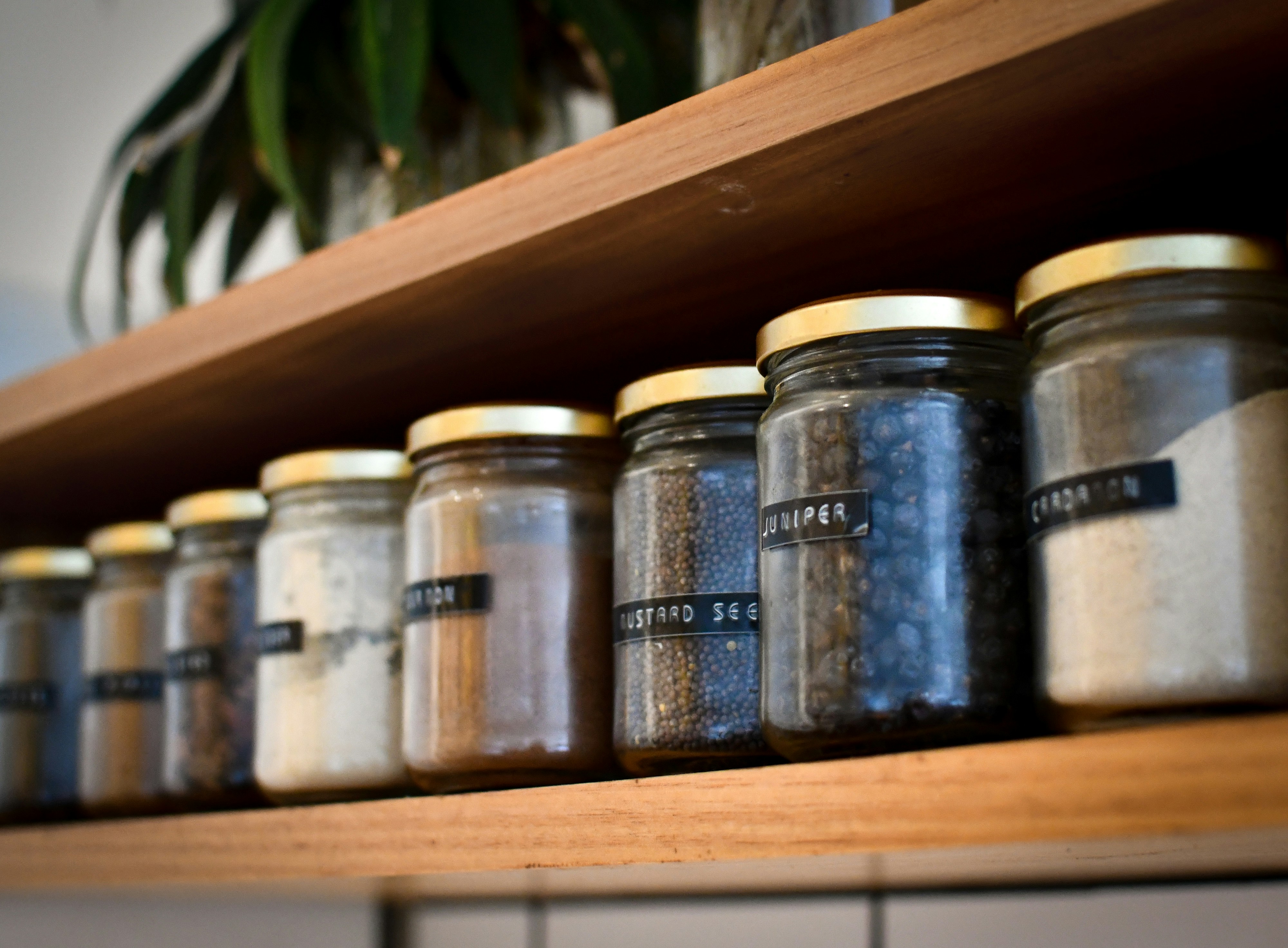
My wife and I were standing in the supermarket aisle a few years ago — this was before we’d thought seriously about any of it — holding two jars of tomato passata, one glass, one can, genuinely unable to decide. The glass felt more virtuous somehow. The can felt more practical. We stood there longer than two adults should stand in a supermarket aisle before just picking the glass one and moving on.
It nagged at me for a while after. Not in an urgent way, but in the way these things do — quietly, in the back of things. I eventually sat down one evening and actually read about it, which is how I know the answer is more interesting and more useful than I expected.
Every type of packaging has a different environmental footprint depending on how it’s made, how heavy it is, how far it traveled, and — crucially — what happens to it at the end. There’s no single winner. But the patterns are clear enough that the decisions become almost automatic once you understand them.
Aluminium cans
Cans are better than they get credit for. Aluminium is one of the most recyclable materials we have — recycling it uses only 5% of the energy needed to make new aluminium. A can you put in the recycling bin today can be back on a store shelf in 60 days.
The catch is that this only works if the can actually gets recycled. An aluminium can that goes to landfill offers zero of that benefit. So cans are excellent if you have good recycling habits, and much less impressive if you don’t.
We buy a lot of canned goods in our house — tomatoes, beans, chickpeas, corn. We rinse every can and it goes straight in the recycling. That feels like a genuine closed loop to me.
Glass
Glass has a reputation as the premium eco choice, and in some ways it earns it. It’s made from natural materials, it doesn’t leach chemicals, and it can technically be recycled indefinitely without losing quality.
But here’s the thing nobody talks about: glass is heavy. A glass jar of tomato sauce weighs three to four times more than the same amount in a can or plastic container. That weight means more fuel burned to ship it — from the factory, to the distribution centre, to the store. The environmental math isn’t as clean as the glass jar looks.
Where glass genuinely wins is reuse. A glass jar that gets washed and used ten more times for storing leftovers, bulk spices, homemade sauces, ferments — that’s a completely different calculation. The manufacturing happened once. You’re just extending the life of what already exists.
My wife and I both grew up in households where glass jars were never thrown away. You finished the jam, washed the jar, and it became part of the kitchen — storing dried beans, seeds, spices, whatever needed a home. Nobody considered this resourceful. It was just what you did with a jar.
In our house we keep every decent glass jar that comes through. They store our dried beans, our spices, the sofrito I make in batches and freeze. The jar becomes part of the kitchen.
Plastic
Plastic is light, which matters for transport. But the recycling reality is grim. Only plastic marked #1 and #2 has meaningful recycling infrastructure in most places. Everything else — yogurt containers, takeout boxes, most food packaging — is largely unrecyclable in practice, regardless of the recycling symbol on it.
And plastic that isn’t recycled doesn’t just go away. It persists in the environment for hundreds of years. The microplastic problem — plastic breaking down into microscopic particles that end up in soil, water, and eventually in us — is real and growing.
For us, this means avoiding plastic packaging where there’s a reasonable alternative. Not obsessively. But when I have a choice between canned beans and beans in a plastic bag, the can wins. When I can find pasta in a cardboard box rather than a plastic bag, I buy the cardboard.
What this looks like in practice
For drinks: A reusable bottle beats everything. For one-off situations, a can you’ll recycle beats a plastic bottle.
For canned goods: Cans are fine. Rinse and recycle.
For sauces, jams, condiments: Buy glass when you’ll reuse the jar. If the jar just goes in the recycling, the weight advantage of a can may actually be better.
For dry goods: Buying in bulk with your own container beats all packaging — no manufacturing, no waste, and usually cheaper per unit. We buy loose-leaf tea this way, from Full Leaf Tea Company — genuinely one of the things I’d recommend to anyone without needing an affiliate link to make me say it, which is good because I don’t have one (they have no idea I exist). The tea comes with minimal packaging and here’s where the container question gets interesting: we store it in metal tins rather than glass, because tea is sensitive to light and tins seal better for keeping the aroma in. Glass is the right answer for most dry goods — rice, beans, dried chiles, spices — but for tea, the tin wins. We’ve had the same three tins for years.
For produce:
What we use
Products mentioned in this article — affiliate links support this site at no cost to you.
Glass Food Storage Jars (12 pack)
Airtight mason jars for pantry storage and buying in bulk
Reusable Stainless Steel Water Bottle
Replaces single-use cans and plastic bottles for drinks
Reusable Shopping Bags (5 pack)
For buying loose produce and avoiding packaged alternatives