
Grow Your Own Herb Cube: Fresh Seasonings Without the Plastic
A small herb garden on your windowsill replaces dozens of plastic-packaged herb bunches per year — and the food tastes better too.
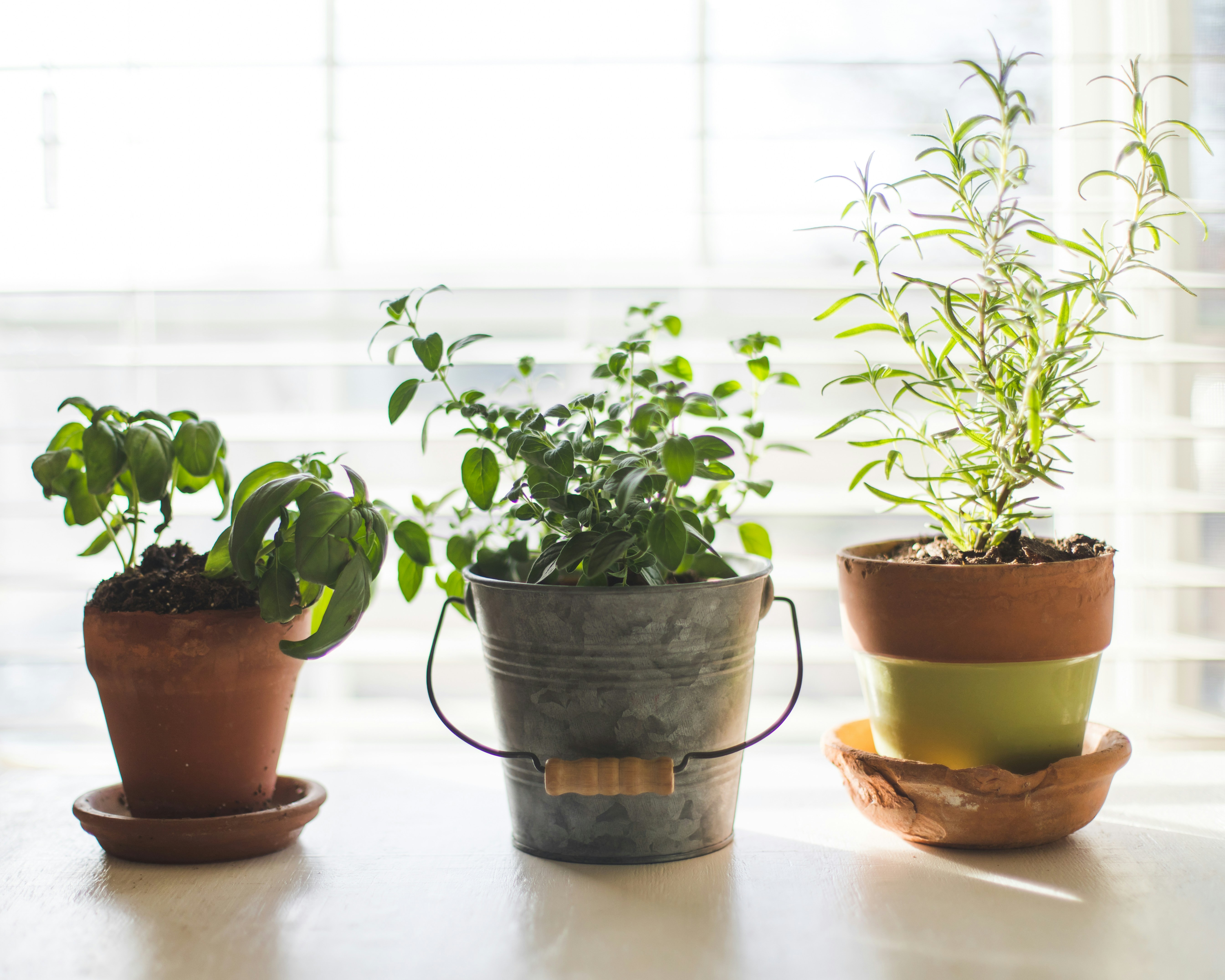
If you cook Latin food at home — really cook it, from scratch — you know how important fresh herbs are. Cilantro in almost everything. Parsley for the chimichurri. Culantro if you can find it. Fresh oregano for the beans. These aren’t garnishes. They’re fundamental.
Growing up, fresh herbs came from the garden outside, not from the store. You walked out and took what you needed. We both come from homes where a kitchen garden was just part of the house — herbs, vegetables, fruit trees. Not a hobby, not a project. Just how things worked. Moving to a suburban kitchen, we lost that slowly and quietly.
And then every single week we were buying those little plastic packages of fresh herbs at the store. Use half, forget the other half in the back of the fridge, watch it turn to slime, throw it away. Then buy another package next week.
I did this for years before it occurred to me that I could just… grow them.
Why herbs are the easiest place to start
I was not a plant person before this. I had killed several houseplants through neglect and assumed that growing anything edible was beyond me. Herbs changed that completely.
I’ve had my herb setup for almost two years now. Two years of fresh herbs without buying a single plastic package. I’m not going to pretend that doesn’t make me a little proud.
They grow fast. Basil shows new leaves in days. They’re forgiving — miss a watering and most of them survive. They’re small. And unlike growing tomatoes or peppers, you see the results immediately every time you cook.
What we grow
I keep it simple and grow what I actually use.
Basil and parsley are my constants — I grow these all year round, no exceptions. Basil goes into almost everything. Parsley is essential for me, especially when I’m making chimichurri or finishing a dish. These two have never left the windowsill.
For the third spot, I rotate seasonally: dill in summer — it grows beautifully when it’s warm and I love it with fish. Chives in the cooler months — almost impossible to kill, keeps producing all winter, the kids like snipping them.
The thing I wasn’t prepared for — and I mean this — is how satisfying it is to be in the middle of cooking, reach over, and just pull the exact leaves you need. Still warm from the light. Smelling incredible. It sounds like a small thing but it changes your relationship with cooking in a way that’s hard to explain until you’ve done it.
Mint — we keep this one in its own separate pot because it will take over everything given the chance. We use it for teas and the occasional mojito. Important family herb.
The setup
We use a simple three-pot self-watering planter on the windowsill. Nothing fancy. You fill the reservoir at the bottom and the plant drinks what it needs. This matters for us because we travel sometimes and we needed something forgiving.
If your kitchen doesn’t get much direct sun, a small grow light makes a real difference. We added one last winter and it extended our growing season through the cold months. The plants don’t know it’s not summer.
For people who want zero maintenance, the AeroGarden system is genuinely impressive. It’s hydroponic — no soil — and comes with pre-seeded pods, a built-in light on a timer, and a water level sensor. My sister-in-law has one and it basically runs itself.
How to harvest without killing the plant
This was my first mistake. I would pull off big stems from the base and then wonder why the plant was dying.
The right way: always cut just above where a leaf branches off the stem. The plant grows back from there, usually bushier than before. For basil specifically — pinch off any flower buds the moment you see them. Once basil flowers, it puts all its energy into seeds and the leaves start to taste bitter.
A well-harvested basil plant can live and produce for three or four months. A neglected one that’s been allowed to flower dies in weeks.
The money side of it
A plastic package of fresh cilantro costs $2–3 and lasts a few days. A cilantro plant costs $3–4 and produces for weeks. The math takes about ten seconds.
We spend maybe $20–30 a year keeping our windowsill herb garden going — seeds, occasionally a new pot. We used to spend that much on herbs in three weeks.
Getting the kids cooking
My kids are more interested in food they grew themselves. Full stop. The cilantro they snipped from the windowsill goes into the guacamole differently than store-bought cilantro — they watch it, they smell it, they’re proud of it.
We let each kid have ownership of one plant. They water it, they harvest it, they get to use it at dinner. It sounds small but it changes how they relate to the food on the table. And honestly, getting kids comfortable with plants and growing things feels like one of the more lasting gifts you can give them.
Start with cilantro and one other herb. See how it goes. I promise it’s harder to kill than you think.
What we use
Products mentioned in this article — affiliate links support this site at no cost to you.
AeroGarden Harvest Indoor Garden
Self-watering indoor herb garden with grow light — no soil needed
Herb Starter Seed Kit (6 varieties)
Basil, parsley, chives, cilantro, dill, and thyme — non-GMO seeds
Self-Watering Herb Planter (3-pot)
Compact windowsill planter with built-in water reservoir
Indoor Grow Light for Plants
Full-spectrum LED for growing herbs in low-light kitchens