
The Plastic-Free Bathroom: What We Switched, What We Didn't, and What Actually Works
The bathroom generates more single-use plastic than almost any other room. Here's what we replaced, what surprised us, and where we gave up trying.
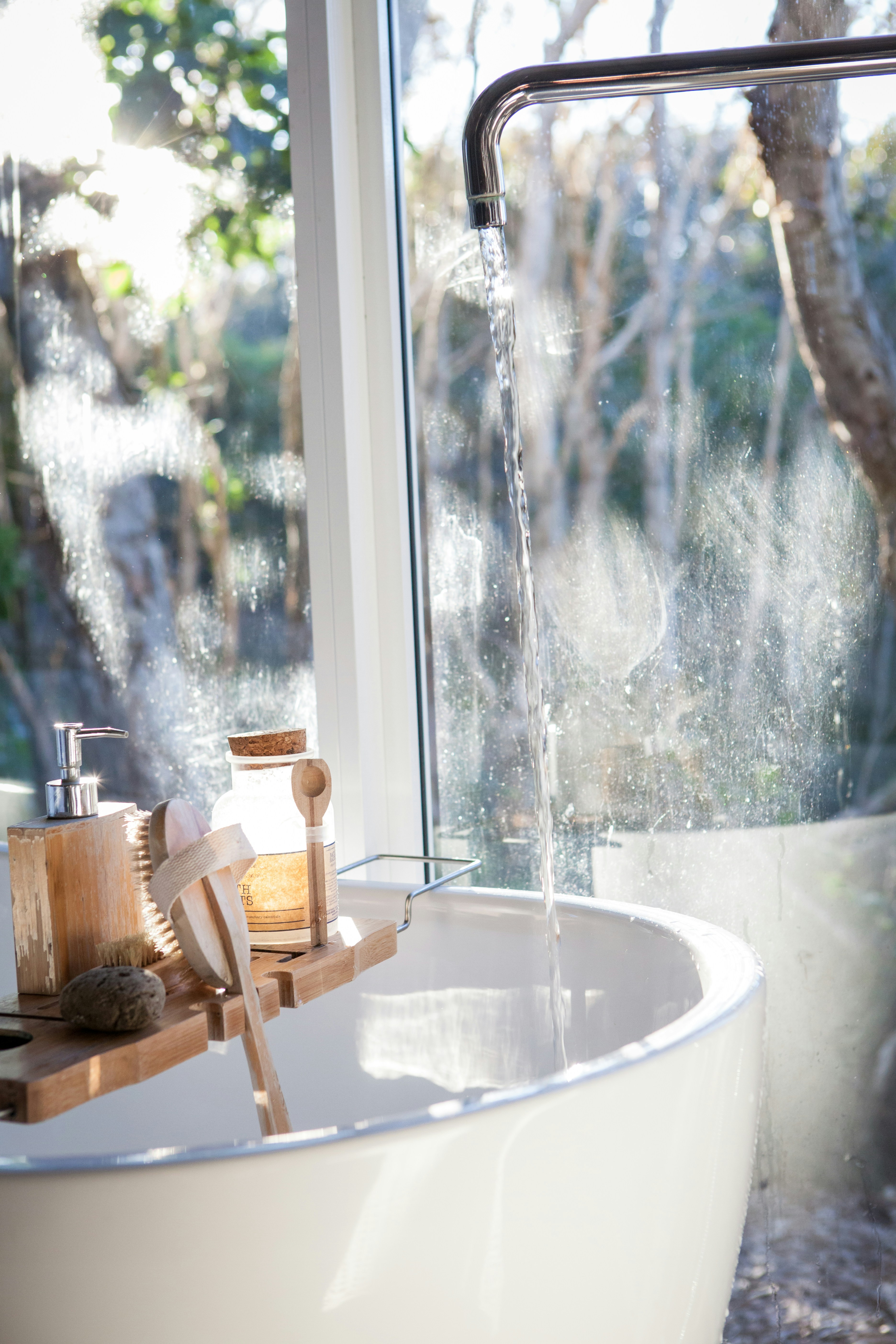
The bathroom is where good intentions go to get complicated. The kitchen is manageable — you buy produce, you cook things, the plastic situation is visible. The bathroom is different. It’s dozens of small plastic bottles, replaced on a rolling schedule, most of them holding something that performs exactly one function. Shampoo. Conditioner. Body wash. Shaving gel. Facial cleanser. Mouthwash. The list goes on.
We didn’t overhaul everything at once. We’re still not fully there. But we’ve made enough switches to know which ones work, which ones take getting used to, and which ones we abandoned after a week.
Shampoo and conditioner bars — worth it, with caveats
This was the one I was most skeptical about and most surprised by. Shampoo bars look like a soap bar and work differently than liquid shampoo — there’s a transition period of one to two weeks where your hair may feel waxy or heavy while your scalp adjusts. This is real and slightly annoying, and worth knowing about before you start.
After the transition: our hair is fine. The bars we use — HiBar, which comes in different formulas for different hair types — clean and condition as well as the liquid shampoos we used before. One bar lasts roughly as long as a bottle. No plastic. They’re more expensive per unit but last longer and don’t have the packaging problem.
The kids were less thrilled. Our teenager went back to liquid shampoo, which is fine. We’re not forcing this. One less bottle per person per month is still progress.
The safety razor — the swap I’d recommend first
This one is genuinely better in every way and I wish I’d done it earlier. A safety razor is a single metal handle with a replaceable double-edge blade. The handle lasts forever. Replacement blades cost a few dollars for a pack of 100 — a year’s supply at minimum. Compared with disposable plastic razors or cartridge systems where each replacement costs several dollars, it’s dramatically cheaper and produces a tiny fraction of the plastic waste.
The shave is as good or better. There’s a learning curve of a few uses to get the angle right — the blade is sharper and more exposed than a cartridge razor, so you don’t press as hard. After that it becomes second nature.
My wife switched too. We use different handle weights, but the same blades fit both.
Bamboo toothbrushes — fine, but with honest limits
The handle is bamboo and will break down if composted. The bristles are still nylon and don’t biodegrade — you’re supposed to pull them out with pliers before composting the handle, which almost nobody does, including us. So we compost the handle and the bristles go in the trash, which is marginally better than a fully plastic toothbrush.
They work identically to a conventional toothbrush. No adjustment, no difference in cleaning. The main argument for switching is the handle — it’s one less piece of petroleum-based plastic in your waste stream per person per three months.
We use Woobamboo for the kids. They haven’t noticed or complained, which is the best review a toothbrush can get from a child.
Bar soap for body wash
This is the simplest swap. A bar of soap cleans as well as body wash, costs less, comes in cardboard, and lasts longer than a bottle of gel. We use whatever bar soap is available with good ingredients — we’re not precious about the brand. Dr. Bronner’s bar soap, local farmers market soap, Dove if nothing else is around.
If you’re not ready for shampoo bars, switching body wash to bar soap is a low-friction starting point.
What we tried and gave up on
Solid toothpaste tablets. These are toothpaste in tablet form — you chew one, it becomes a paste. We tried two brands. The kids refused. My wife tolerated it. I found them gritty in a way that didn’t go away. We went back to regular toothpaste, which comes in a recyclable tube in most pharmacies now. Not every swap is worth the friction.
Bamboo cotton swabs. These work fine and are genuinely better than plastic stems. We switched and have stayed switched — easy call.
Refillable deodorant. This one we’re still figuring out. Natural deodorants work differently from antiperspirants — there’s a transition period, they’re less reliable in certain situations, and the one that works for me doesn’t work for my wife. We haven’t landed on a single solution. It’s the plastic-free bathroom’s most open question for us.
What’s still in plastic and probably staying that way
Sunscreen. We have two kids in the Pacific Northwest, and when it’s a sunny day, we’re not experimenting with an untested format. The plastic bottle stays.
Prescription products. No comment needed.
Liquid toothpaste for the teenager, who has a strong opinion about this. Pick your battles.
The approach that actually works
Don’t try to replace everything at once. It creates friction and expense and things that don’t work pile up. Pick the item you go through most — in a family of four, that’s probably shampoo — and switch that. When it works, pick another. This is a multi-month process, not a weekend project.
The bathroom that currently has no shampoo or conditioner bottles in it took us about eighteen months to get to. It doesn’t feel like an achievement so much as just what the bathroom looks like now.
What we use
Products mentioned in this article — affiliate links support this site at no cost to you.
HiBar Moisturize Shampoo & Conditioner Set
Solid bars, no plastic bottle — works as well as any liquid shampoo we've used
Bambaw Double Edge Safety Razor with 5 Blades
One metal razor for life, replacement blades cost almost nothing, zero plastic waste
Woobamboo Bamboo Toothbrush (4-pack)
Biodegradable handle — the bristles still need to be removed before composting, but the handle breaks down