
What Actually Goes in the Recycling Bin (and What Doesn't) — The Stuff Nobody Tells You
We thought we knew how to recycle. Turns out we were getting a bunch of it wrong — tossing things that don't belong and trashing things that do.
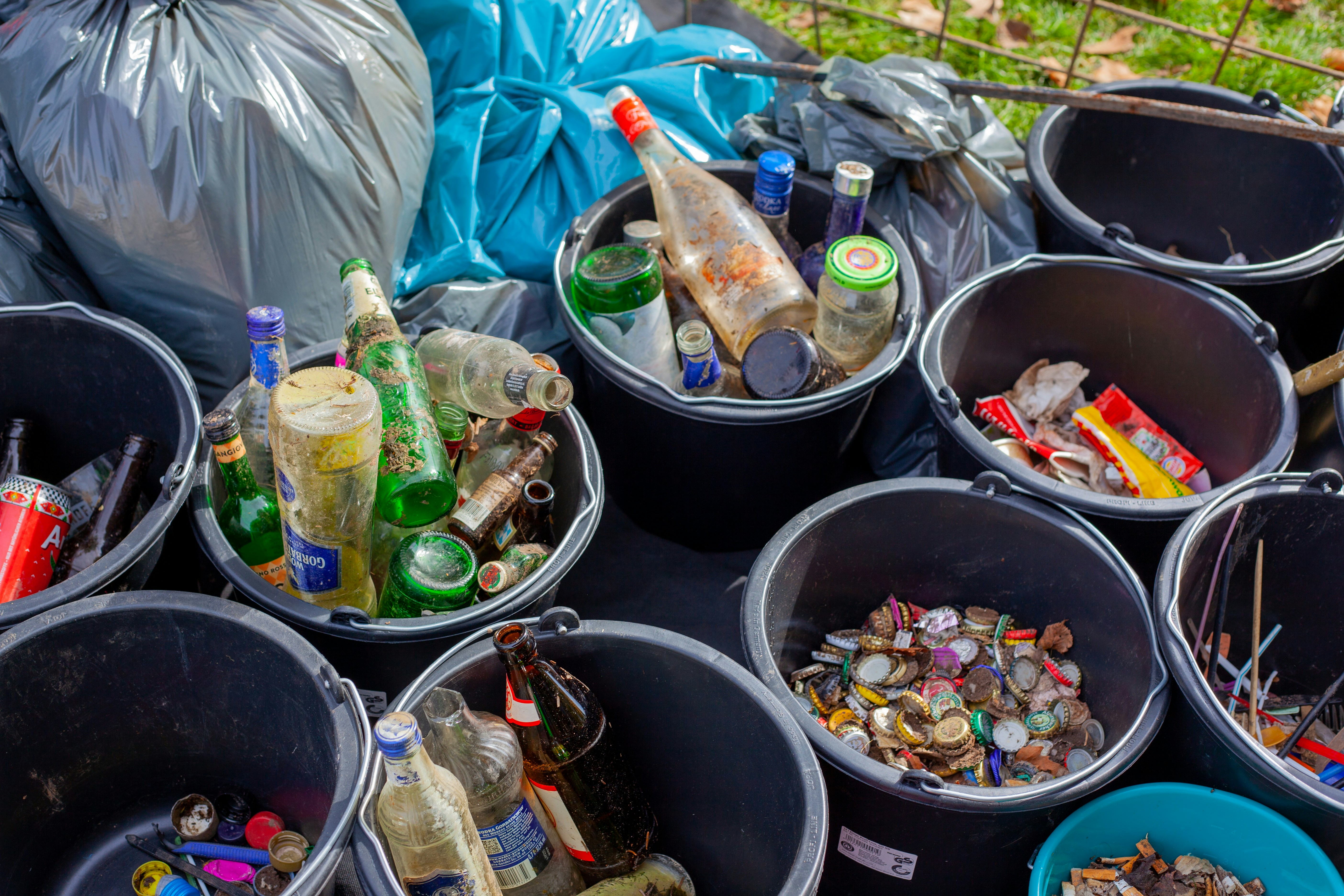
Last Tuesday night I stood over the recycling bin holding a greasy pizza box in one hand and a yogurt cup with a foil lid in the other, and I just… froze. I’ve been recycling for decades, and in that moment I felt like a complete beginner.
So I went down the rabbit hole — municipal guides, waste industry reports, way too many comment threads from frustrated sanitation workers. We’ve been getting a lot of it wrong, and not in the ways I expected.
You’re Probably Trashing These (But They’re Recyclable)
Pizza boxes — yes, greasy ones. The American Forest & Paper Association tested this and found that typical grease and cheese residue doesn’t interfere with paper mills. Just pull out leftover food and the little plastic table thing. About 3 billion pizza boxes get used in the U.S. every year. That’s a lot of cardboard going to landfill over a misconception.
Aerosol cans — hairspray, cooking spray, spray paint. The cans are steel or aluminum, and most curbside programs take them as long as they’re empty. We’d been trashing these for years because they felt dangerous. They’re not, once the pressure’s gone.
Metal lids and bottle caps — steel lids from jars are recyclable. For bottle caps, many programs now say put the cap back on the bottle so it stays attached through sorting. Check your city’s site, but don’t automatically toss them.
Wine corks — the real ones, not plastic. Drop-off programs at Whole Foods and some wineries will take them. Cork gets ground up into flooring, insulation, even shoe soles.
Old keys — brass, steel, aluminum — fully recyclable. Toss them in metal recycling or drop them at a hardware store.
You’re Probably Recycling These (But They Don’t Belong)
This part stung. Some things we’ve been dutifully rinsing and tossing in the blue bin are actually contaminating entire loads and sending truckloads of good recyclables to landfill.
Plastic bags and film wrap — grocery bags, produce bags, bread bags, shrink wrap. None of it goes curbside. It tangles in sorting machinery and can shut down a processing line. Take them to the drop-off bins at most grocery stores instead.
Receipts — most are thermal paper containing BPA. Can’t be recycled, and they contaminate paper batches if they sneak in. Trash them, or better yet, decline the printout.
Paper coffee cups — they look like paper but have a polyethylene lining that makes them waterproof and unrecyclable. Same goes for paper soup containers. If it held liquid without leaking, it probably has a plastic liner.
Shredded paper — too small to sort. The pieces fall through screens and gum up the works. Compost it instead.
Ceramics and Pyrex — coffee mugs, plates, baking dishes, mirrors. Different melting points than bottles and jars. Even a small piece can ruin a batch of recycled glass.
Used paper towels and napkins — fibers are too degraded and food-contaminated to recycle. Compost bin, not recycling bin.
Why It Matters
I used to figure: when in doubt, toss it in the recycling. That approach has a name — “wish-cycling” — and it’s a real problem. When contamination gets too high, the entire truckload gets diverted to landfill. As one facility worker put it: “It is better to toss one item in garbage than contaminate an entire recycling truck load.”
And batteries, which people toss in recycling constantly, are highly flammable. Recycling facility fires caused by lithium batteries have been rising for years.
🧲 The Cheat Sheet (Print This, Stick It on Your Fridge)
✅ YES — Recycle These (You Probably Weren’t)
| Item | Quick Rule |
|---|---|
| Pizza boxes with grease | Remove food, grease stains are fine |
| Empty aerosol cans | Must be fully empty, remove plastic cap |
| Metal lids & bottle caps | Clean lids; caps go back on bottles |
| Aluminum foil & trays | Clean them, ball foil up |
| Rigid plastic containers | Rinse first |
❌ NO — Stop Recycling These (You Probably Were)
| Item | Why Not |
|---|---|
| Plastic bags & wrap | Tangles in machinery — grocery store drop-off instead |
| Store receipts | Thermal paper with BPA, contaminates paper batches |
| Paper coffee cups | Plastic liner inside makes them unrecyclable |
| Shredded paper | Too small to sort — compost it |
| Ceramics, Pyrex, mirrors | Wrong melting point, ruins glass batches |
| Paper towels & napkins | Too degraded — compost instead |
| Batteries & electronics | Fire hazard — see drop-off list below |
| Anything smaller than a credit card | Falls through sorting screens |
📍 TAKE SOMEWHERE ELSE (Not Curbside, But Still Recyclable)
| Item | Where |
|---|---|
| Plastic bags | Grocery store drop-off bins |
| Batteries | Best Buy, Home Depot, or Call2Recycle |
| Electronics | Manufacturer programs or city e-waste events |
| Wine corks | Whole Foods or local wineries |
| Holiday string lights | Hardware stores (seasonal collection) |
| Old eyeglasses | Lions Club or Walmart vision center |
Recycling rules vary by city, by hauler, sometimes by neighborhood. The best thing you can do is check your own city’s recycling guide online — most have a searchable tool where you type in an item and get a straight answer.
We’re not going to pretend we get it right every time now. But we’re wrong a lot less often than we were a month ago, and that feels like progress worth sharing.
Sources
- Can I Recycle a Greasy Pizza Box? — American Forest & Paper Association
- What Is Recycling Contamination? — University of Washington Sustainability
- Nine Things You Must Never Put in Your Recycling Bin — Recycle Now
- 15 Surprising Things That Cannot Be Recycled — AMCS Group
- Recycling – What Goes in the Bin — Portland.gov
- 19 Surprising Things That Can Be Recycled — One Good Thing by Jillee