Secondhand vs. New: When Buying Used Is Always Better (And When It's Not)
Buying secondhand is one of the most powerful green choices a family can make — but not for everything. Here's a clear guide to what's worth hunting for used.
Growing up, secondhand wasn’t an environmental choice — it was just how things worked. My cousins’ clothes became my clothes. My uncle’s bike became my bike. You used things until they wore out, then passed them on. There was no conversation about it. It was just common sense.
We come from communities shaped by European immigrants who settled in the Latin American countryside and held onto their old-world habits for generations. Nothing was wasted. Clothes were mended, passed down, repurposed as rags when they could no longer be worn. The idea that a child needed new things every season would have seemed genuinely strange — not because people were poor, but because it would have meant throwing away something still perfectly good.
Somewhere along the way, as we got more comfortable, buying new became the default. A new book. A new toy. New clothes every season. It adds up — financially, and in terms of what gets thrown away.
We’ve been working our way back to the old way of doing things in our family. And I want to share what we’ve learned about where secondhand genuinely wins, and where it makes sense to buy new.
Where used is almost always the better choice
Children’s clothing
Kids grow fast. My daughter fits the same size for maybe eight months before we’re moving up. That means clothes that look almost new go into a bag, and we need a whole new set.
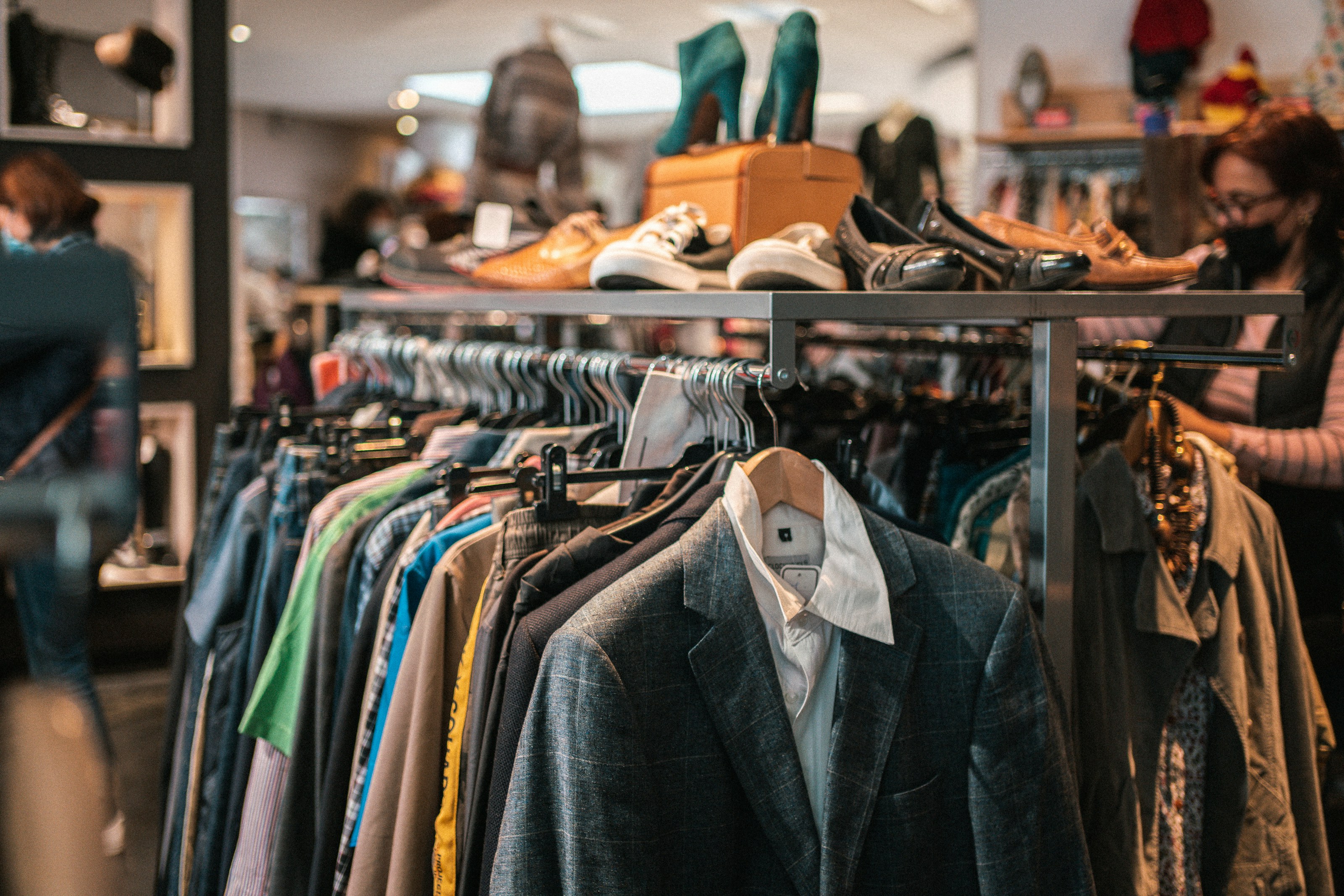
The secondhand children’s clothing market is enormous because of this. A four-year-old’s raincoat has usually been worn a handful of times before the child grows out of it. It’s essentially new. We find these things constantly at thrift stores, on ThredUp, on Facebook Marketplace, in the swap group at school.
We probably buy 60–70% of our kids’ clothing secondhand now. The savings are real and the quality is often better than new fast-fashion items because secondhand stores self-select for things that held up.
Baby equipment
Baby gear is expensive, used for months, and then sits in storage. A bouncer, a baby gym, a high chair — these things are available everywhere secondhand in excellent condition because parents are desperate to clear them out of their houses. We furnished almost our entire baby setup secondhand the second time around.
The exception, which I’ll mention again below, is car seats.
Books
A book is a book. It doesn’t matter if it was read before. We get most of ours from the library (free) or from thrift stores (usually under a dollar). We buy new only for things we can’t find any other way, or as gifts.
Furniture
Our dining table is secondhand. It’s solid wood, heavy, beautiful, and cost a fraction of what we’d have paid new. A solid piece of furniture bought used will outlast anything made of pressed wood and sold in a flat box. The secondhand furniture market consistently has better quality than what’s available new at the same price point.
Sports and outdoor gear
Bikes, helmets, skis, football boots, baseball gloves — children’s sports gear is used for one or two seasons and then outgrown. The secondhand market for this is excellent. We’ve never bought a new bike for any of our kids.
Where new makes more sense
Car seats
This one I feel strongly about. Car seats have expiration dates — typically 6 to 10 years from manufacture — and the plastic degrades over time. More importantly, a seat that’s been in an accident may have invisible structural damage that compromises its protection. Unless you know the full history of a seat from someone you trust completely, buy new.
Mattresses
Years of use, potential allergens, loss of support. New is worth it here. Buy one good one that lasts a decade.
Helmets
Same logic as car seats — invisible damage from previous impacts. Buy new.
Underwear and swimwear
No explanation needed.
Safety equipment for children
Stair gates, window locks, cot rails — if there’s a safety function and you can’t verify its full history and current compliance with safety standards, buy new.
Making it actually work
The main obstacle to buying secondhand is that it takes more time than clicking a button. Here’s how we’ve made it easier:
Search before you shop. Before buying anything significant, we check Facebook Marketplace and our local parents’ group first. Takes five minutes. Often finds what we need.
Join the local parent network. We have a WhatsApp group of parents from school. Things are constantly being offered — clothes, toys, books, gear. It’s fast, free, and neighbourly in the best sense.
Set up saved searches online. On most secondhand platforms you can save a search and get alerts. I have one set up for the next shoe size up from what my son wears. When something good comes up, I hear about it immediately.
Don’t overthink condition. “Good used condition” is fine for most things. We’re not looking for perfection. We’re looking for functional and clean.
The shift doesn’t require sacrifice. It just requires changing the order of how you look. Used first, new only if needed. That’s the whole thing.
What we use
Products mentioned in this article — affiliate links support this site at no cost to you.
Reusable Shopping Tote (3-pack)
For charity shop and market runs — foldable, sturdy
Fabric Steamer
Freshen and sanitise secondhand clothing and soft furnishings quickly