
The Truth About Recycling (And What Actually Happens to Your Bin)
Most families are recycling wrong — not because they're careless, but because the system is confusing by design. Here's what actually gets recycled and what doesn't.
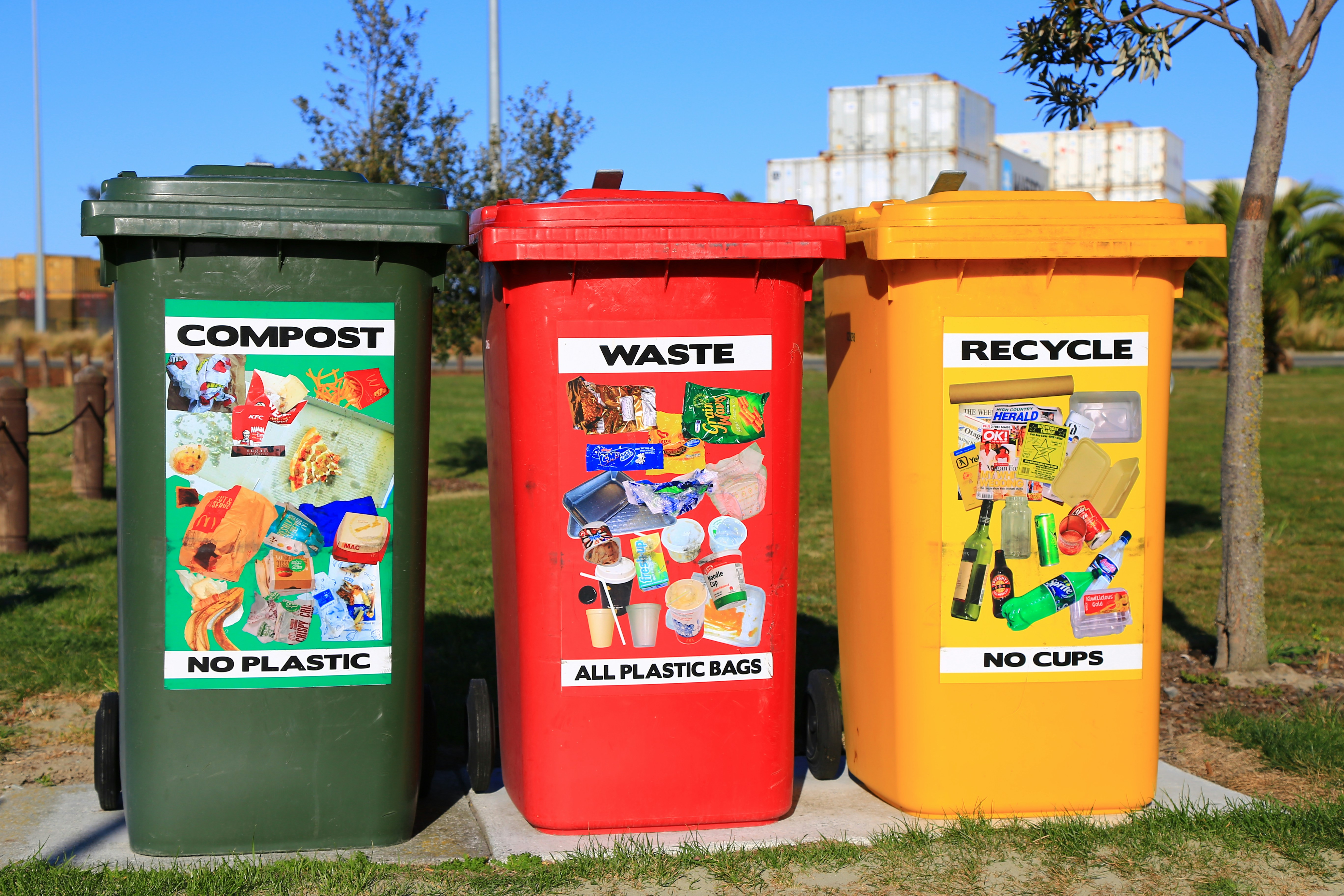
I thought we were good recyclers. We sorted everything, rinsed our containers, broke down our cardboard. I felt good about it.
Then I went down a rabbit hole one afternoon trying to figure out if the plastic bags we were putting in the recycling were actually being recycled. The answer, it turns out, was no. And it sent me back to look at everything else we were doing.
What I found wasn’t great. We were doing a lot of things that felt like recycling but weren’t — and worse, some of what we were putting in the bin was actually contaminating the things that genuinely could have been recycled. We were making it worse.
We’re probably not the only family who went through this.
What genuinely gets recycled
Aluminium cans — this is the recycling success story. Aluminium is endlessly recyclable, and recycling it uses only 5% of the energy needed to make new aluminium. Your soda can can be back on a shelf in 60 days. Rinse it, crush it, recycle it — it genuinely works.
Cardboard and paper — when they’re clean and dry. The pizza box with grease soaked through it is not recyclable. The clean cardboard from your Amazon delivery is.
Glass bottles and jars — in most areas this works well. Rinse them. Remove lids (metal lids go separately as scrap metal in many areas).
Plastic #1 and #2 — the water bottle, the milk jug, the detergent bottle. These have real recycling infrastructure. Most other plastics don’t.
What does NOT get recycled (even if you put it in the bin)
This is the part that changed how I think about all of it.
Plastic bags and film — they jam the sorting machinery at recycling facilities. Workers have to stop the machines to cut them out. Most facilities won’t accept them in kerbside bins. We found the solution: our supermarket has a plastic film drop-off bin near the entrance. We collect our plastic bags in a bag and drop them there when we go shopping.
Black plastic — the dye makes it invisible to the optical sorting sensors. It goes straight through unsorted.
Greasy pizza boxes — the grease contaminates the paper fibre and makes the whole thing useless for recycling. Tear off the clean top of the box (recyclable) and throw the greasy bottom in the regular bin.
Styrofoam — almost never recycled, regardless of the symbol on it.
Plastic numbered 3 through 7 — yogurt containers, takeout containers, plastic cutlery. Most facilities don’t have the equipment to process these. I know this is frustrating.
Receipts — thermal paper coated in BPA. Not recyclable.
The contamination problem
One thing I didn’t understand before is that contamination affects the whole batch. A recycling facility will reject an entire load if it has too much contamination — food residue, non-recyclable materials mixed in. When that happens, everything in that load goes to landfill.
This means putting questionable items in the recycling bin isn’t a neutral act. It can ruin the recycling of things that genuinely could have been processed.
The rule we now follow in our house: if we’re not sure, it goes in the regular bin. I know that sounds defeatist. But it’s genuinely better than contaminating a load of aluminium cans.
The bigger picture I had to accept
Recycling is real and it matters — but it’s the last resort, not the solution.
The hierarchy is Refuse, Reduce, Reuse, Recycle — in that order. When we cook at home and buy ingredients we actually use, we generate less food packaging waste than families eating out or buying a lot of pre-made meals. When we carry reusable bags, we don’t bring plastic bags home at all. When we buy in bulk, there’s nothing to recycle because there was never a package.
The changes we’ve made in our kitchen have reduced what goes into our recycling bin — which sounds backwards but it’s actually the goal. Less packaging bought means less to deal with at the end.
Our system now
We have two bins in the kitchen — one regular, one recycling. The recycling one is only for things we’re confident about: cans, clean cardboard, glass, plastic #1 and #2 that have been rinsed.
We have a bag hanging on the pantry door for plastic film. When it’s full, it goes to the supermarket drop-off.
And we’ve stopped feeling guilty about putting questionable items in the regular bin. It’s not ideal. But contaminating a batch of good recyclables is worse.
None of this is perfect. But understanding the real rules rather than the imagined ones has made us more effective at actually keeping things out of landfill. ����������������������������������������������������������������������������������
What we use
Products mentioned in this article — affiliate links support this site at no cost to you.
Dual-Compartment Recycling Bin
Side-by-side bin for paper and plastic — makes sorting automatic
Reusable Produce Bags (Set of 9)
Eliminate the plastic bags that contaminate recycling
Beeswax Wrap Set
Replace plastic wrap — one of the least recyclable items in kitchens